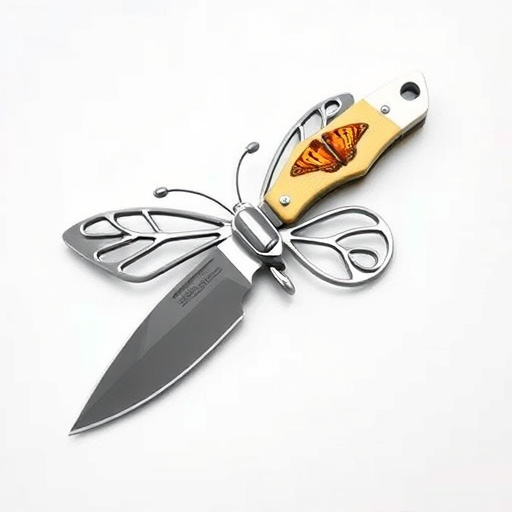
Butterfly knife training combines art and skill, demanding precision and mastery. This guide offers a comprehensive approach for all levels, from grip and balance basics to advanced flips and tricks. High-quality butterfly knives, crafted with durable materials and suited to specific disciplines, enhance learning and foster skill development in agility and coordination. A structured practice regimen includes foundational exercises, advanced techniques, and targeted drills using various targets. Safety is paramount: always wear protective gear, inspect knives for damage, maintain a safe environment, and avoid negligent handling.
“Unleash your inner artist with butterfly knife training – a captivating art form that demands precision and skill. This comprehensive guide, ‘Understanding Butterfly Knife Training,’ takes you on a journey from choosing the perfect high quality butterfly knife to mastering advanced techniques. Learn safe practices and discover tips for responsible handling, ensuring every cut is controlled and every move calculated. Whether novice or expert, this guide equips you with the knowledge to embrace this elegant yet challenging skill.”
Understanding Butterfly Knife Training: A Comprehensive Guide
Butterfly knife training is an art that demands precision, skill, and a deep understanding of this unique folding blade. It involves mastering various techniques to ensure safe and effective handling of a high-quality butterfly knife, which can be a challenging yet rewarding endeavor. This comprehensive guide aims to demystify the process, providing insights for both beginners and experienced practitioners.
The training begins with learning basic knife skills, such as proper grip, balance, and control. It progresses to more advanced moves like flips, tricks, and tactical applications. Practitioners should focus on developing muscle memory, hand-eye coordination, and the ability to execute maneuvers swiftly and accurately. High-quality butterfly knives, crafted with precision and durability in mind, play a pivotal role in this journey, allowing users to refine their techniques and explore the full potential of these versatile tools.
Choosing the Right High Quality Butterfly Knife for Your Needs
When it comes to butterfly knife training, in a Stainless Steel Knuckle Butterfly Knife Sale selecting the right tool is paramount. Look for a high-quality butterfly knife designed with precision and durability in mind. Top-tier knives are crafted from superior steels like 440C or Damascus steel, ensuring exceptional edge retention and corrosion resistance. These materials also offer the necessary toughness to withstand rigorous training routines.
Consider your specific needs when choosing a high quality butterfly knife. Different styles cater to various disciplines such as tactical, artistic folding, or everyday carry. The lock mechanism, handle design, and overall size should align with your preferred handling style and the type of moves you plan to practice. A well-chosen butterfly knife will not only enhance your learning experience but also provide a reliable partner for developing agility, coordination, and precision in your knife skills.
Effective Techniques and Drills to Master Butterfly Knife Skills
Mastering butterfly knife skills requires a combination of precise technique, consistent practice, and targeted drills. To truly excel, focus on developing fluidity and control in your movements. Start with foundational exercises like finger dexterity stretches and simple cutting patterns to build muscle memory. Gradually increase complexity by incorporating advanced techniques such as spinning, flipping, and multi-blade manipulation. High quality butterfly knives are essential tools for this journey; invest in a set that offers excellent balance, sharp edges, and durable construction to enhance your learning experience.
Drills should be designed to challenge your abilities while promoting accuracy and speed. Practice controlled cuts against various targets, from foam blocks to wooden boards, adjusting the angle and force to simulate different scenarios. Implement timing exercises, aiming for consistent performance under pressure. Additionally, partner drills that involve throwing and catching the knife can significantly improve your hand-eye coordination and overall control. Regularly review your progress by recording videos or seeking feedback from experienced practitioners to identify areas for improvement.
Safety Precautions and Tips for Responsible Butterfly Knife Practice
When engaging in butterfly knife training, prioritizing safety is paramount. Always wear appropriate protective gear, including thick gloves and eye protection, to minimize the risk of cuts and injuries. Choose a safe, open space away from crowds and fragile items, ensuring there are no obstacles that could cause accidents. Additionally, inspect your high-quality butterfly knife before each practice session, checking for any damage or defects that might affect its performance and safety.
Responsible practice involves being mindful of your surroundings and handling the knife with extreme care. Avoid practicing in wet or slippery conditions, as this can increase the risk of slipping. Never point the knife at anyone or anything unnecessarily, and always keep it away from children and pets. Regularly maintain and sharpen your butterfly knife properly to ensure its edge remains controlled and precise, further promoting safe handling.